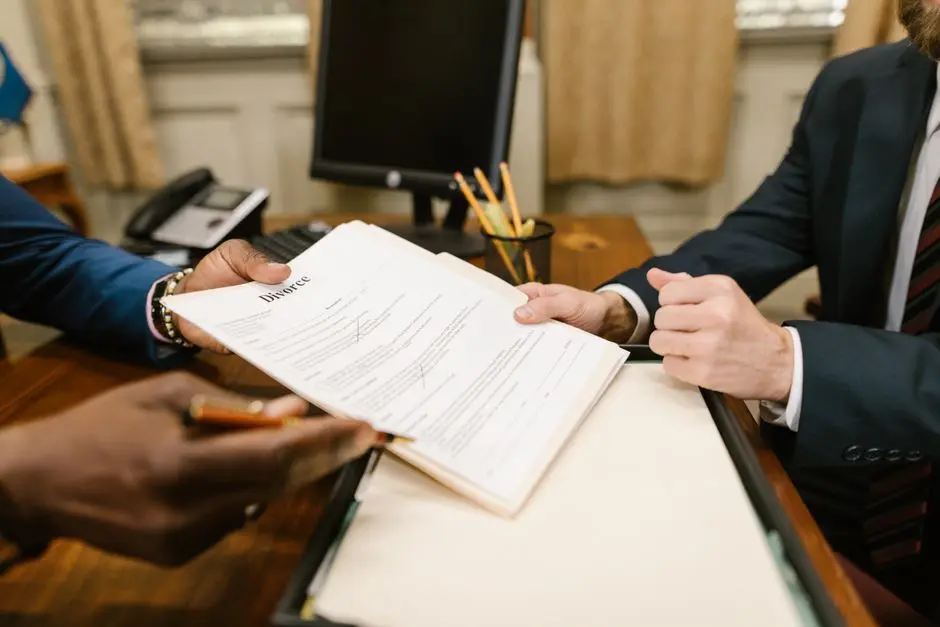
Navigating the probate court process in Pennsylvania and New Jersey can be a daunting task for many. This blog aims to break down the fundamentals of probate court, providing a clear understanding of what to expect and how to efficiently handle probate matters in these two states.

What is Probate Court?
Probate court is responsible for handling estates after someone passes away. It involves validating the deceased’s will, resolving outstanding debts, and distributing assets to rightful beneficiaries.
Primarily, probate court serves to ensure that a deceased person’s assets are distributed according to their wishes if they have a valid will. If there is no will, the court ensures that the estate is handled in accordance with state laws. This involves a detailed process of authenticating the will, appointed executors or administrators taking inventory of the estate, settling debts and taxes, and finally, distributing the remaining assets to beneficiaries. The court’s supervision helps prevent fraud and protects the rights of the heirs or beneficiaries.
Many people are unaware that probate courts also play a critical role in resolving disputes among heirs and beneficiaries. Issues may arise if there are claims of undue influence or questions regarding the mental capacity of the deceased at the time the will was created. In such cases, probate courts act as the mediator to fairly distribute the assets and ensure a legally binding resolution. This often includes a detailed examination of financial records, testimonies, and sometimes expert evaluations to arrive at a settlement. Hence, probate courts are instrumental in safeguarding the decedent’s last wishes while upholding state laws.
The Probate Process in Pennsylvania
In Pennsylvania, the probate process starts with filing the will in the Register of Wills located in the county where the deceased resided. Executors are then appointed to manage the estate, handle debts, and distribute assets according to the will.
Once the will is filed, the Register of Wills issues letters testamentary if there is a will or letters of administration if there isn’t. These legally empower the executor or administrator to act on behalf of the decedent’s estate. A particularly important step in Pennsylvania is the advertisement of the estate in local newspapers. This notification alerts creditors to present any claims they have against the estate within a specific timeframe. Meanwhile, the executor is tasked with taking inventory of the estate’s assets, which can include everything from real estate to personal belongings. This process can sometimes take several months, depending on the complexity of the estate, but is crucial for an accurate distribution.
One unique aspect of Pennsylvania’s probate process is its inheritance tax. Pennsylvania imposes an inheritance tax on most property that transfers based on the decedent’s death. The rate varies depending on the relationship of the heir to the deceased. This tax must be carefully calculated and paid from the assets before any distribution, which can affect the final amounts received by beneficiaries. Understanding these tax obligations early in the process can help in minimizing financial stress and avoiding potential penalties for non-compliance, making the handling of the estate more efficient.
The Probate Process in New Jersey
New Jersey’s probate process is similar yet distinct from Pennsylvania’s. It begins with submitting the will to the Surrogate’s Court. In the absence of a will, the court appoints an administrator to manage the estate distribution based on state intestacy laws.
In New Jersey, it’s important to submit the original will to the Surrogate’s Court of the county where the deceased lived. The Surrogate’s Court has jurisdiction over probate proceedings, and its procedures often begin with a review of the submitted will. If approved, the court issues letters testamentary to the executor, allowing them to start managing the estate affairs. The role of an executor in New Jersey includes similar responsibilities as those in Pennsylvania, such as gathering all asset information, settling any outstanding debts, and carrying out the distribution process according to the will or state ordeals if the will is not present.
One area where New Jersey’s approach differs is the mention of living trusts. In New Jersey, if a living trust is in place, assets held in this manner can bypass the probate process entirely, facilitating a smoother transition of assets after the decedent’s death. Beneficiaries can benefit greatly from such arrangements as they provide swift access to essential property and finances without the delays sometimes associated with formal probate proceedings, thus allowing for greater personal and financial planning. For individuals or families considering these arrangements, it’s worth exploring options with estate planners or legal advisors.
Key Differences Between Pennsylvania and New Jersey Probate Courts
While both states follow a structured probate process, the appointment procedures, fees, and timeframes can vary. Understanding these differences is crucial in planning and executing estate matters efficiently.
One notable difference lies in executor remuneration and probate fees. In Pennsylvania, executors are entitled to reasonable compensation, which is often a matter of discretion and varies on case complexity. New Jersey also provides for executor commissions, calculated as a percentage of the estate value, strictly defined by statute. This distinction can significantly impact the decisions beneficiaries make when appointing an executor, highlighting the importance of understanding state-specific regulations.
Timeframes for the conclusion of probate also vary between Pennsylvania and New Jersey. Pennsylvania’s process can often be completed more readily if the executor is swift with paperwork and debt resolution, sometimes taking less than a year. Conversely, New Jersey might face more prolonged probate due to higher caseloads and longer validation processes in the Surrogate’s Court. Estate planners in both states recommend timely action, record-keeping, and legal guidance to prevent any unnecessary delays.
Common Challenges in Probate Court
Challenges such as will contests, disputes among heirs, or unclear asset distribution can complicate the probate process. Preparing in advance and seeking professional guidance can help mitigate these issues.
Disputes among heirs can arise from perceived inequalities in the will or misunderstandings regarding estate documents. Contesting a will often requires individuals to provide substantial evidence, and must be handled through formal litigation processes. These situations are not only emotionally taxing but also financially draining, as extended litigation can deplete estate resources. To address potential challenges proactively, it’s advisable for individuals planning their estates to have open discussions with their heirs or beneficiaries. This helps in clearing ambiguities and setting clear expectations regarding asset distribution.
Assets that aren’t clearly documented pose another challenge. Issues can arise with properties lacking proper titles or financial accounts not listed in the will. Executors are encouraged to perform exhaustive asset searches and validate ownership to avert future disputes. Engaging with professional appraisers or financial advisors can aid in achieving precise valuations and clarify asset status, streamlining the probate proceedings. This thoroughness not only reinforces beneficiary trust but also safeguards the probate process from potential legal hindrances.
Tips for Navigating Probate Court Successfully
To navigate probate court effectively, maintain organized records, communicate openly with all parties involved, and consider legal assistance when necessary. These steps can simplify and expedite the probate process.
Preparation is key. Keeping meticulous records both before and after the probate process starts can make a significant difference. Executors should keep handy all financial records, tax documents, and property deeds. This not only speeds up the asset inventory process but also protects against unforeseen challenges. Furthermore, fostering good communication with all beneficiaries ensures transparency and often pre-empts any conflicts borne out of misunderstanding or mistrust.
Legal assistance, while an added cost, is a worthy investment when navigating probate court complexities. Engaging an experienced attorney or a probate specialist can guide executors through the procedural intricacies and ensure compliance with state laws. Additionally, such professionals can provide insights into potential tax benefits or pitfalls associated with estate settlement. Their expertise enables a smoother progression through probate, ultimately achieving resolution that honors the decedent’s wishes efficiently.
Wrapping Up: Navigating Probate Court with Confidence
Understanding the nuances of probate court in Pennsylvania and New Jersey can significantly ease the burden during challenging times. With the right knowledge and preparation, the process can be more manageable and less intimidating.